The Journal
The BAAG Journal — Punjabi Culture, Heritage & Style
Essays, guides and cultural notes on the symbols, regions, philosophy and style of Punjab — written to be read slowly.
Culture · 8 min read
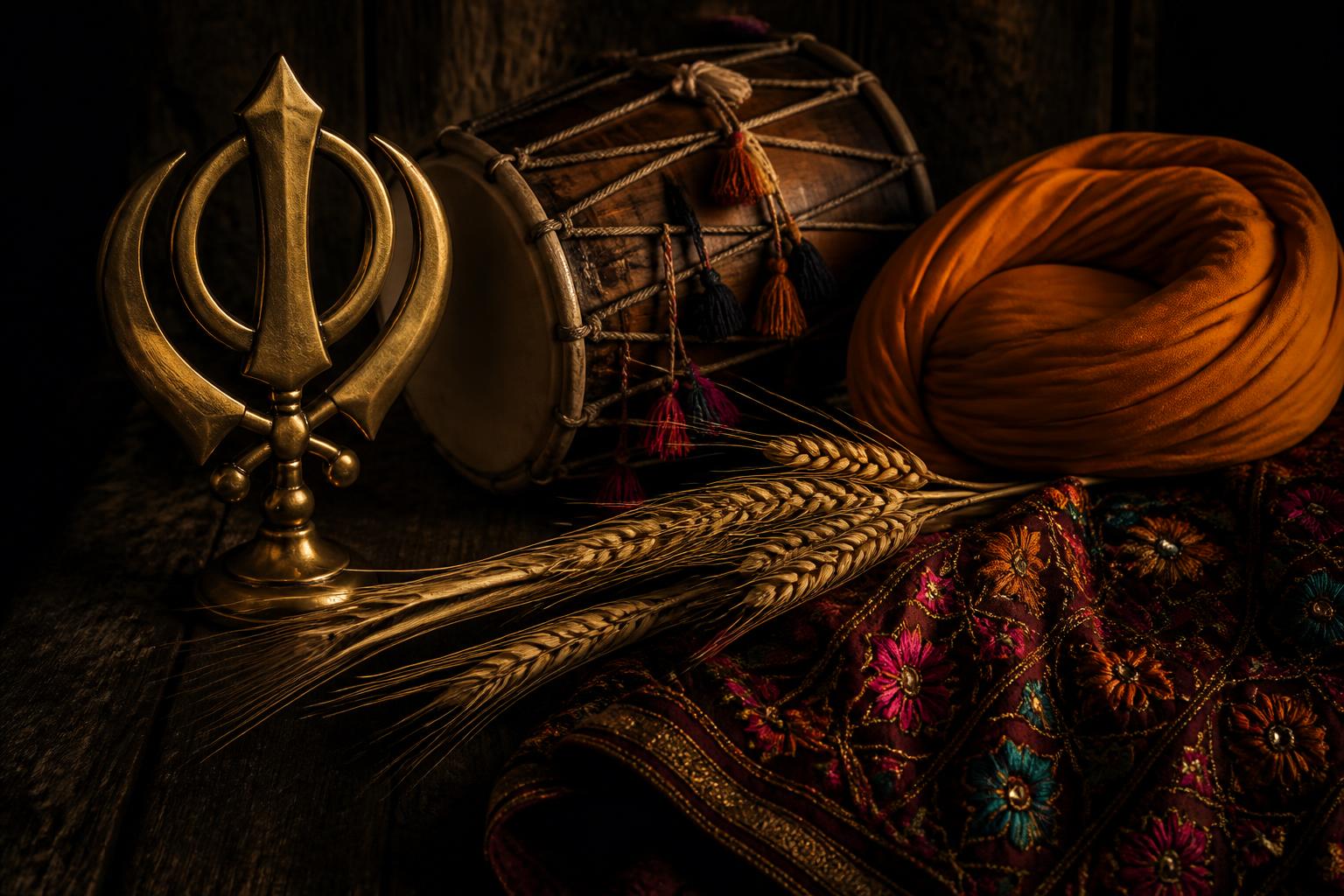
Symbols of Punjab — The Icons That Define a Land
Every land speaks in symbols. Punjab speaks in gold, in steel, in soil and in song. These are the icons carried across generations — from the walls of Harmandir Sahib to the embroidery on a grandmother's dupatta. At BAAG, we don't decorate with them. We build with them.
Read →
Philosophy · 6 min read
Chardi Kala — The Meaning of Rising Spirits
Two words. Two syllables each. Chardi Kala. Ask a Punjabi what it means and they might smile before answering, because the meaning is bigger than a translation. It is a state of being.
Read →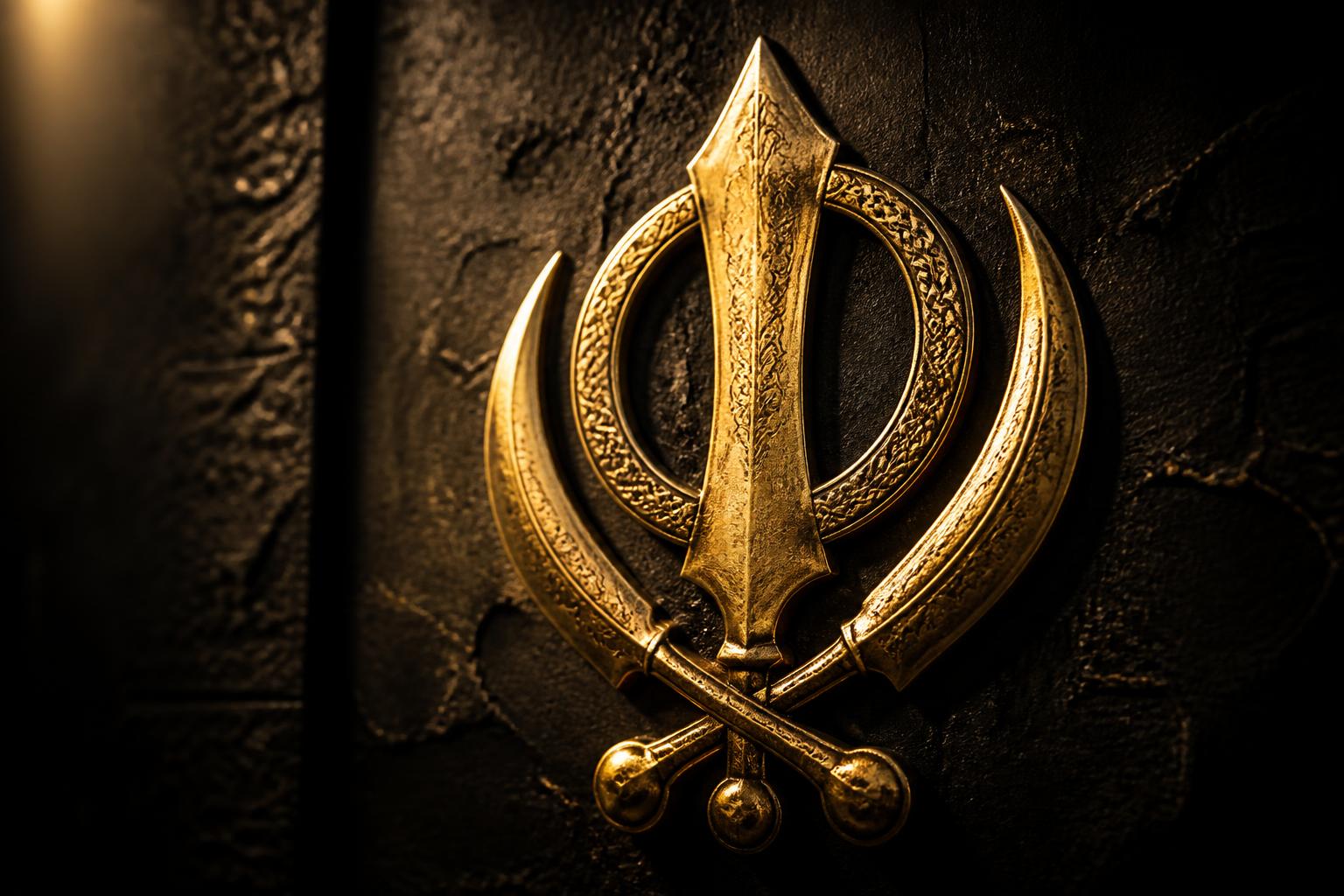
Heritage · 7 min read
Khanda Meaning — The Emblem of the Khalsa
The Khanda is the most recognised Sikh symbol in the world. It sits atop the Nishan Sahib outside every gurdwara. But what do its four elements actually mean?
Read →
History · 12 min read
A Short History of Punjabi Culture
Punjab is one of the oldest inhabited regions on earth. Its story is a river — five of them, in fact — carrying empires, faiths, songs and scars. This is the short version.
Read →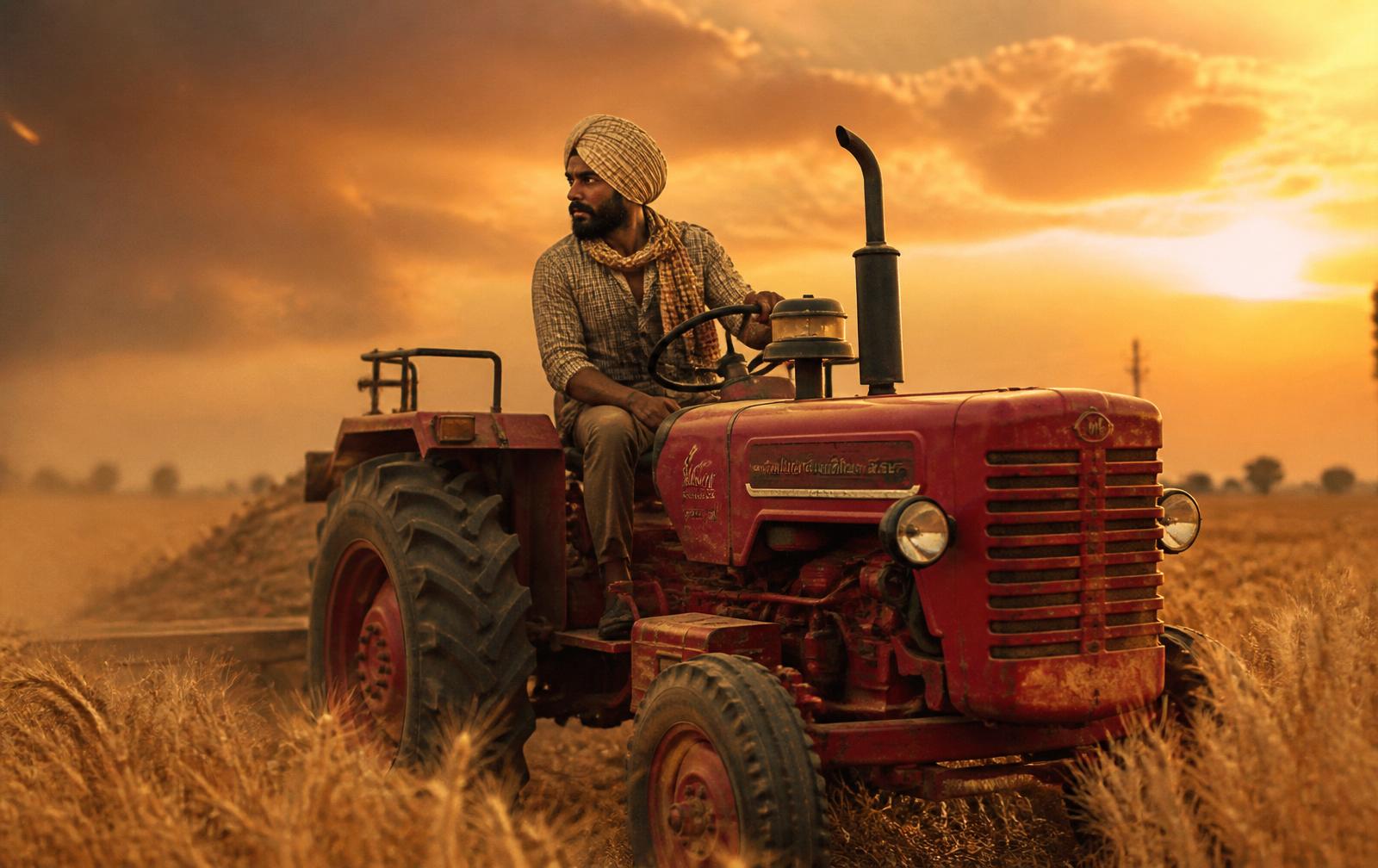
Geography · 9 min read
The Regions of Punjab — Majha, Malwa, Doaba
Punjab is not one flat identity. It is three distinct regions on the Indian side, each with its own accent, food, humour and history. Knowing them is knowing Punjab.
Read →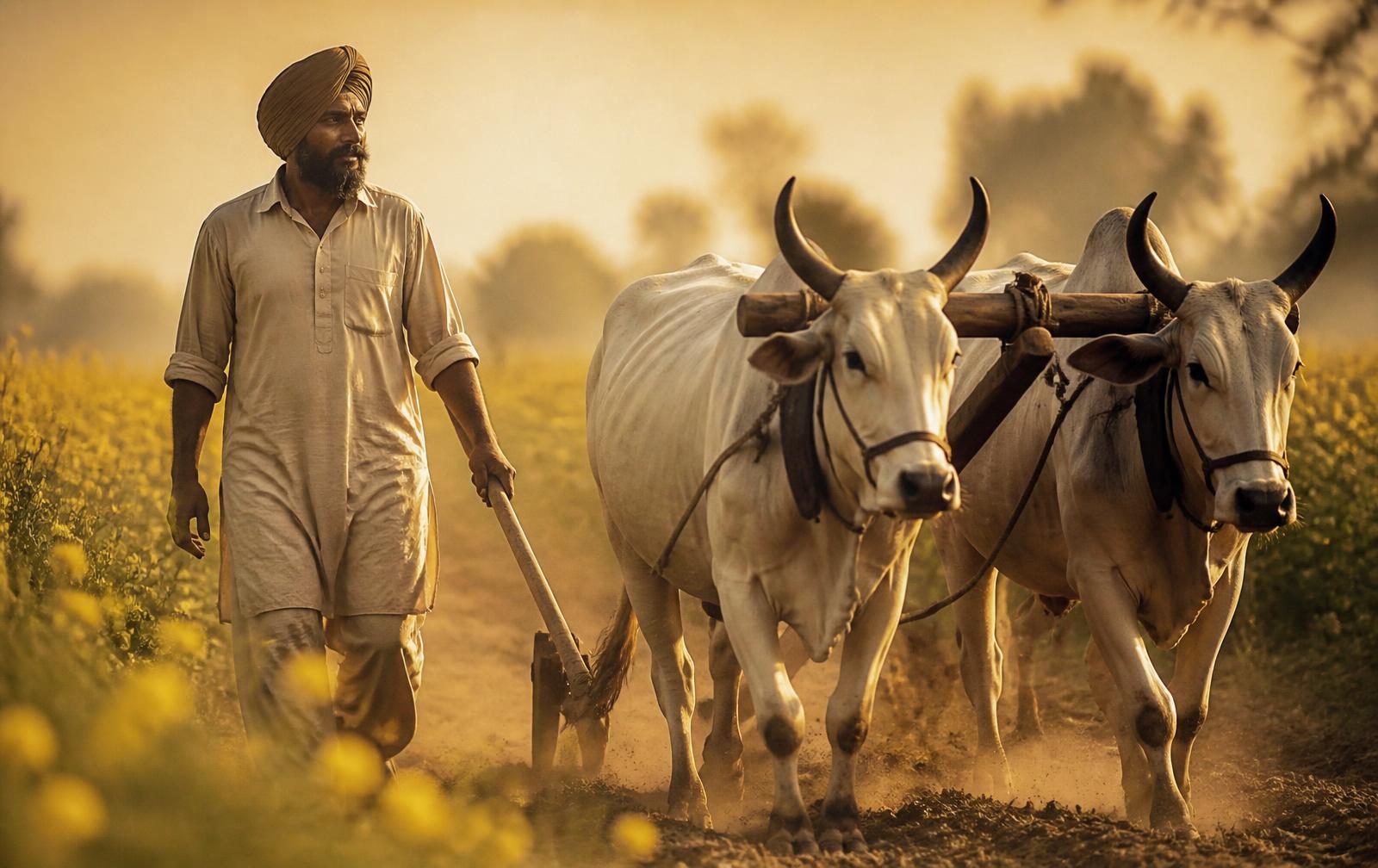
Style · 10 min read
Punjabi Clothing — A Modern Guide
Punjabi clothing is famous for two things: colour and confidence. From village weddings to Toronto skylines, the silhouette has travelled — and evolved. Here is what to know, and how BAAG fits in.
Read →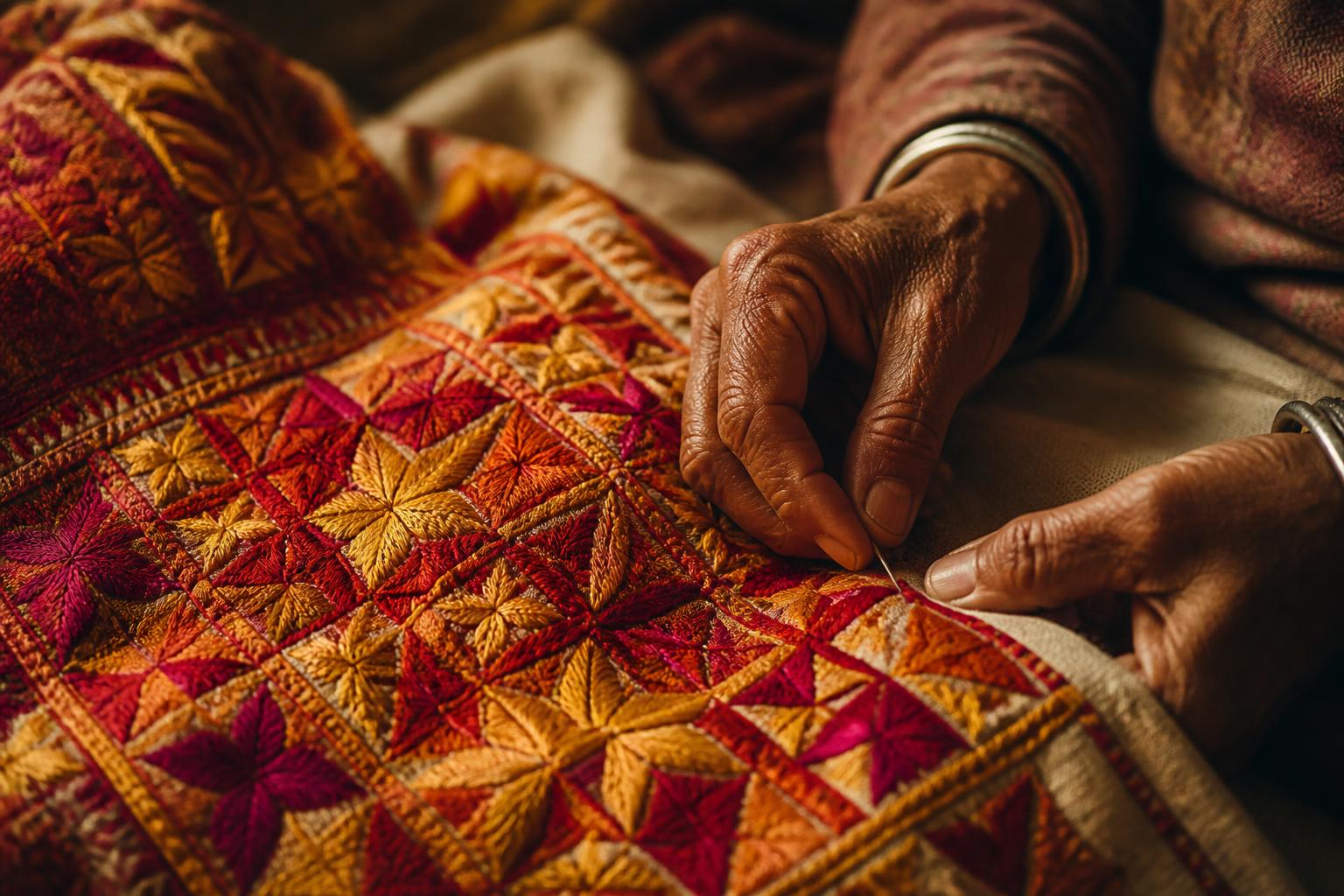
Craft · 7 min read
Phulkari — The Flower Work of Punjab
Phulkari literally means 'flower work' — silk floss on handspun khaddar, worked from the reverse so the pattern blooms on the front. It is one of the most recognisable folk arts of South Asia.
Read →Style · 9 min read
How to Style Punjabi Oversized Streetwear
Oversized has become the default cut of the decade. But an oversized Punjabi t shirt is not the same thing as a generic drop-shoulder tee — the drape, the story, the finish matter. This is how we style it at BAAG.
Read →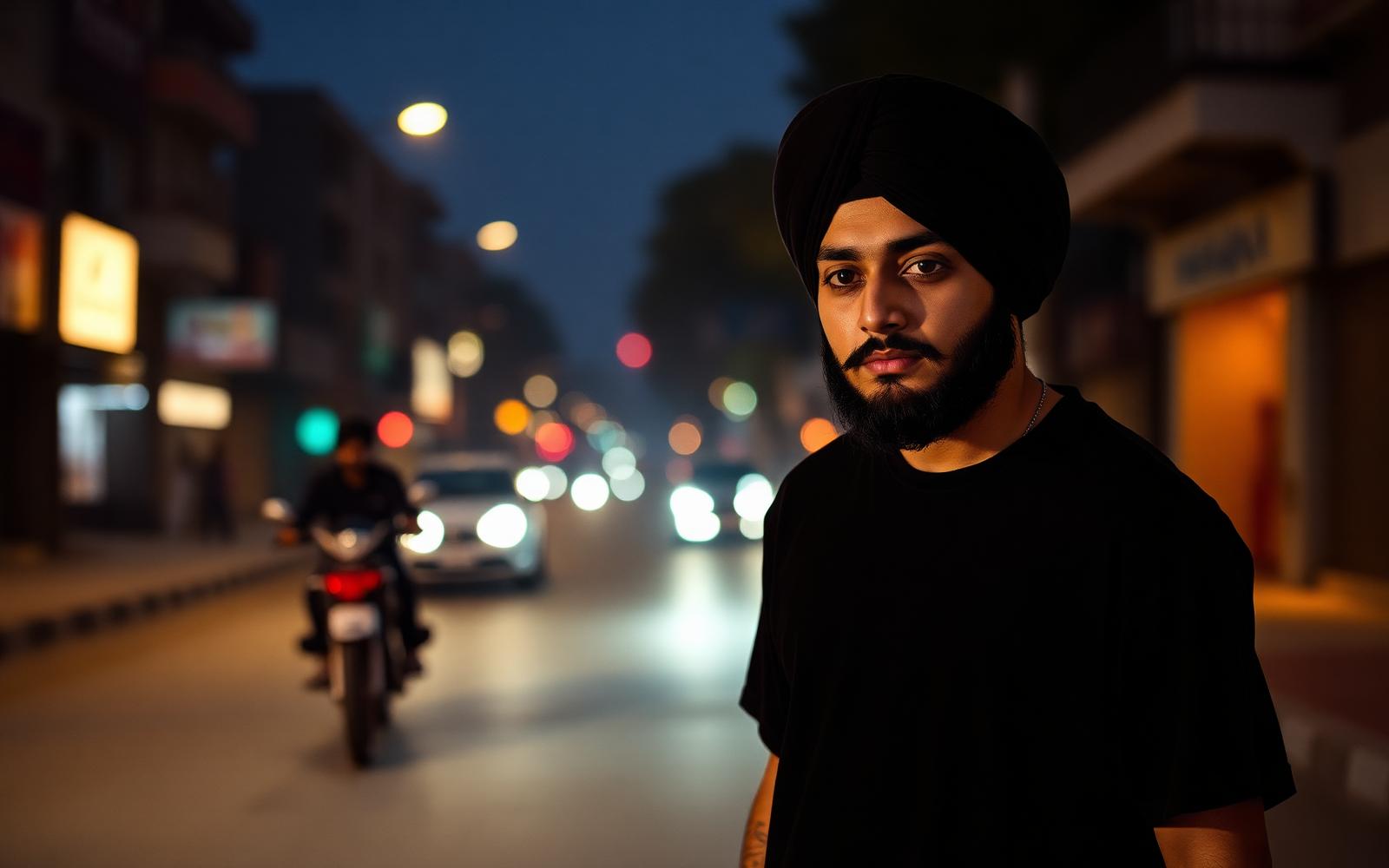
Guide · 9 min read
The Punjabi Streetwear Guide — Symbols, Fits and Where to Start
Punjabi streetwear has spent a decade stuck between two poles: cheap slogan tees on one side, and heavy traditional wear on the other. This guide is about the space in between — how to wear Punjab in a way that reads modern, expensive and honest.
Read →
Craft · 7 min read
Heavyweight vs Regular T-Shirts — What GSM Really Changes
Two t-shirts can look identical online and feel like different categories of product in the hand. The variable is GSM — grams per square metre — and it is the number most brands quietly leave out of the listing.
Read →
Studio · 6 min read
Behind BAAG's Design Philosophy
BAAG comes from baagh — the tiger — and from baag, the garden. Strength and cultivation in the same syllable. That tension is the whole brief: build something powerful enough to stand on a street anywhere in the world, and rooted enough to still be Punjabi.
Read →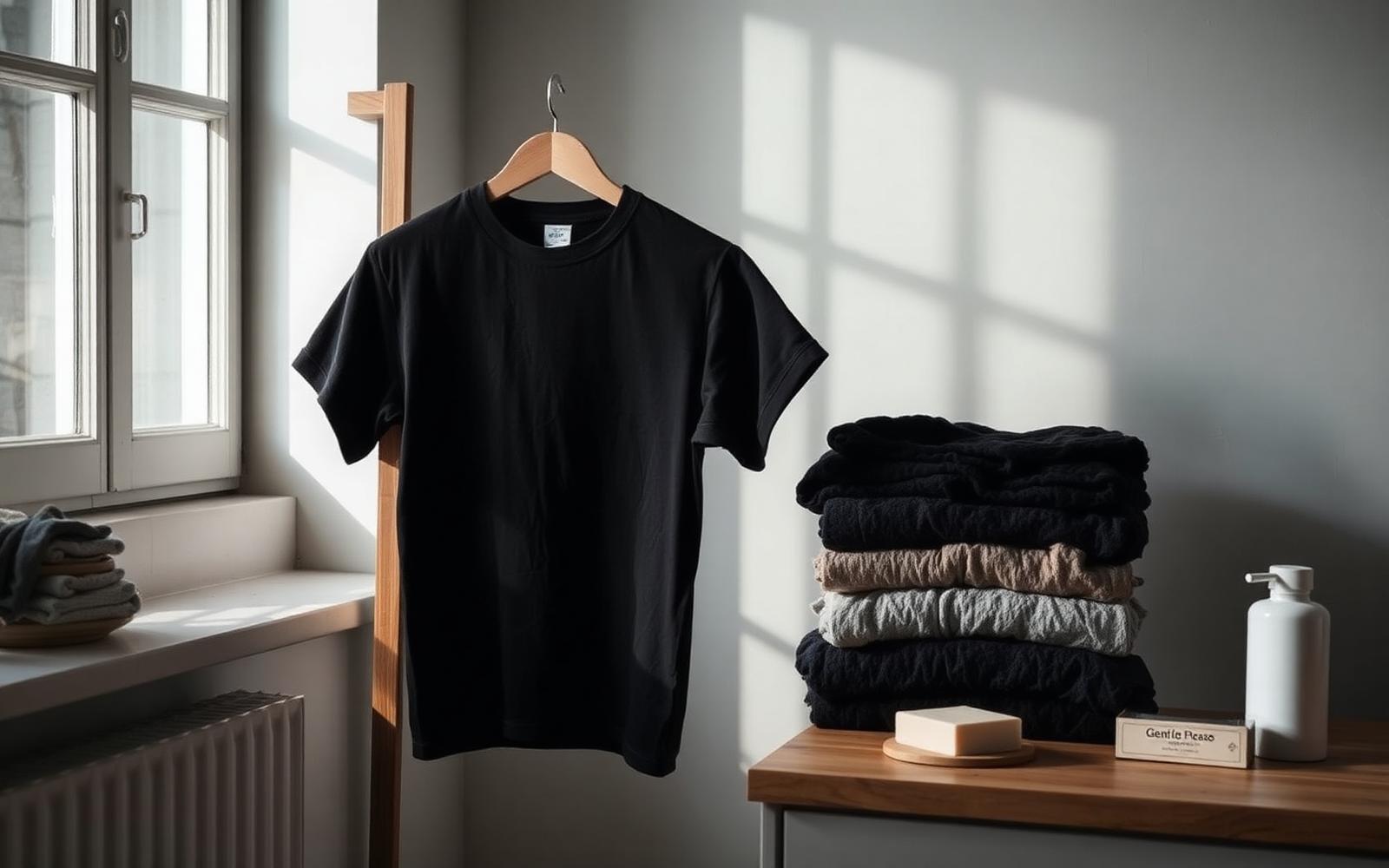
Craft · 5 min read
How to Care for Heavyweight Cotton — Make a Tee Last Years
A 280 GSM tee is built to last years, but laundry decides whether it actually does. Four habits cover almost everything.
Read →
Culture · 7 min read
What Is Desi Streetwear? A Definition Worth Wearing
Search 'desi tshirt' and you get thousands of results: Hindi puns on 160 GSM blanks, Bollywood stills, mother-in-law jokes. That is desi merch, not desi streetwear. The difference is worth spelling out, because a generation of South Asian labels is now building the second thing properly.
Read →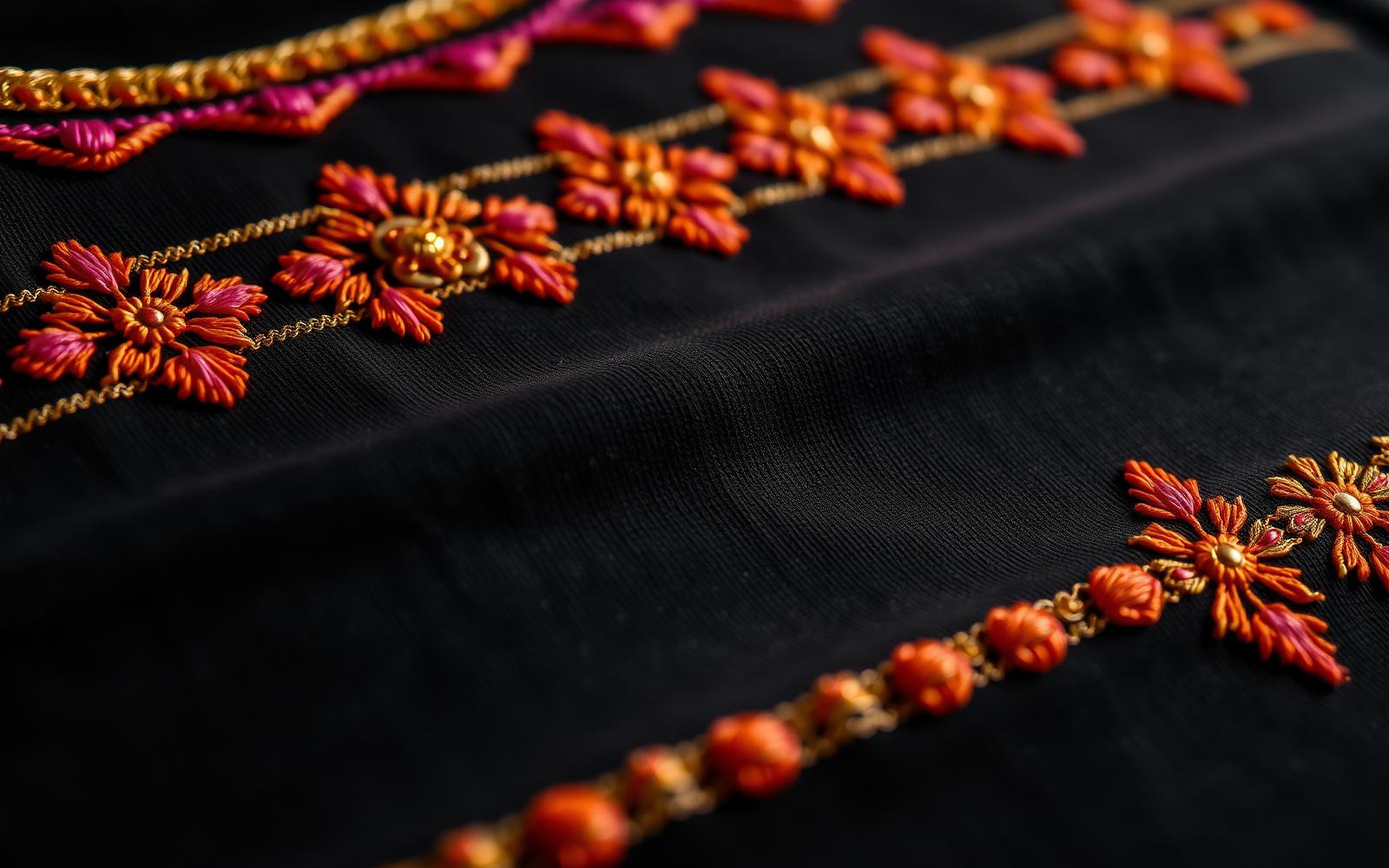
Craft · 8 min read
Phulkari Embroidered T-Shirts — Punjab's Folk Art on Heavyweight Cotton
An embroidered t-shirt is a strange object: a casual garment carrying a craft that predates it by centuries. In Punjab that craft is phulkari — flower work — and translating it onto heavyweight cotton is less about copying stitches than understanding why they were placed where they were.
Read →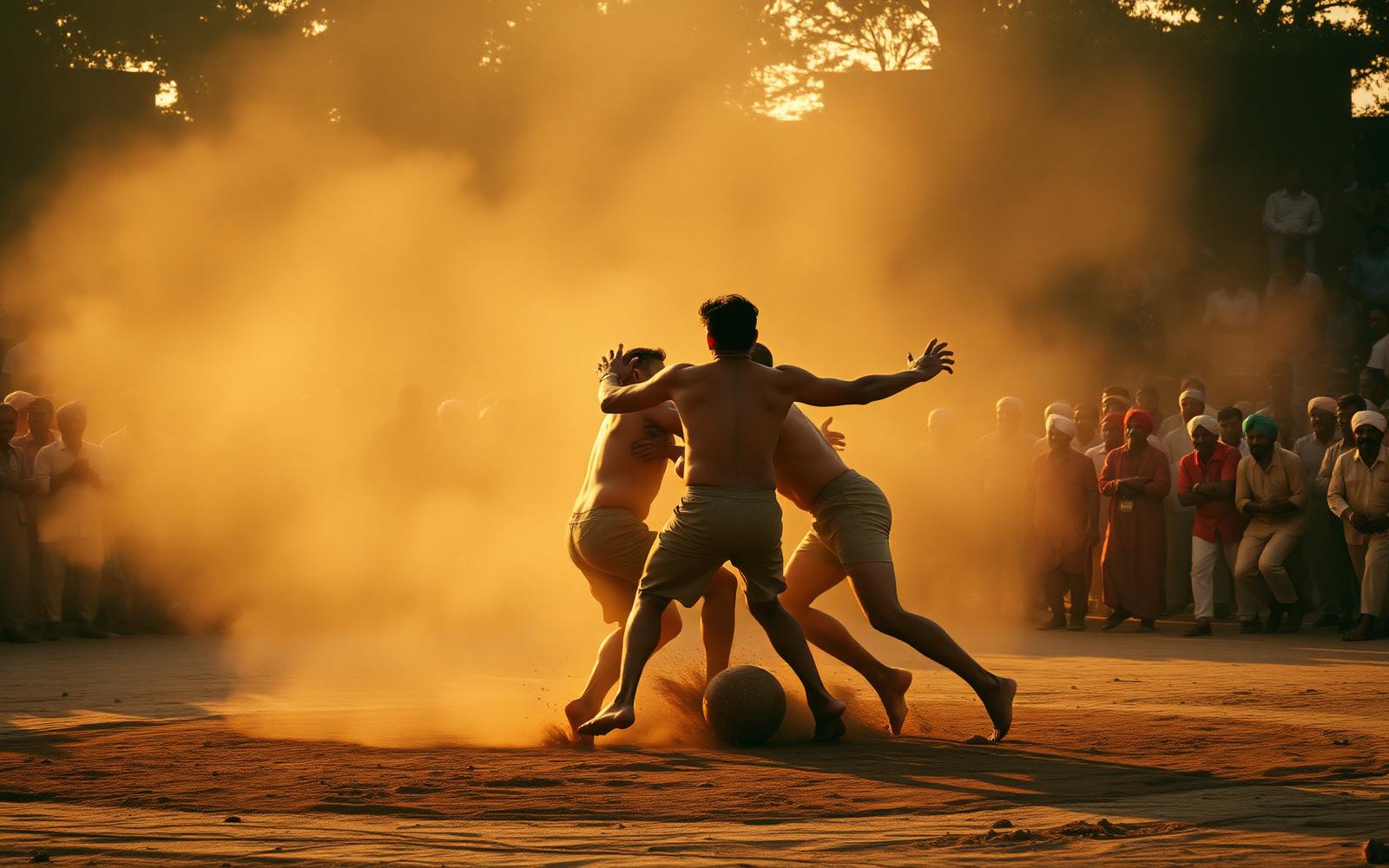
Culture · 7 min read
Kabaddi — Punjab's Village Sport and Its Streetwear Afterlife
Before Punjab had gyms it had akharas, and before it had leagues it had a rope circle in a field after harvest. Kabaddi is the sport Punjab never had to import — and the kabaddi t-shirt is one of the few pieces of sportswear that functions as a statement of where you are from.
Read →